Availability
All our therapists work on a self-employed basis and should be contacted directly for appointments and enquiries. If you are not sure who to see or what you need feel free to contact Lily and Vicky via the contact page
All our therapists work on a self-employed basis and should be contacted directly for appointments and enquiries. If you are not sure who to see or what you need feel free to contact Lily and Vicky via the contact page
Manual Lymphatic Drainage (Post-Surgery), Holistic Massage and Reflexology
2pm - 9pm
Stress is caused by a mismatch between the demands placed upon us and our ability to cope with them. We may be exposed to a variety of potential sources of stress but there are two main types, i.e. chronic and acute.
Chronic Stress occurs when there are long-term demands and pressures over which a person believes they have no control. This may include employment factors such as workload, processes or culture. Or it may be more related to personal factors such as physical health, relationships or bereavement. Alternatively, it may be a combination of personal & professional factors.
Acute Stress occurs when there are short-term demands and pressures associated with recent or on-going events. This includes decision-making, organising and communicating.
Appropriate levels of short-term stress can actually benefit performance as it increases alertness and focus, but excessive acute stress will adversely affect cognitive performance and sustained periods can lead to fatigue.
The impact of stressors on performance depends on an individual’s capacity to cope with them; their personal resilience. Personal resilience therefore consists of an individual’s evaluation of potential stressors and their access to coping strategies to manage them.
Signs of stress include:
Resilient people have the ability to manage emotions in a calm, controlled manner rather than exaggerating problems. They view any mistakes as learning opportunities, rather than being negative about them. They tend to be flexible and adaptable, with a range of different strategies to overcome adversity. They implement actions that will minimise the impact of stress and fatigue before performance is affected.
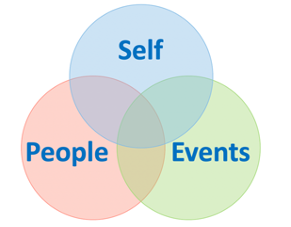
Resilience can be regarded as a combination of 3 main themes:
Factors that are widely recognised to enhance personal resilience include:
Here are a few top-tips to help strengthen your personal resilience on a daily basis.
Manage the 4 Core Pillars of personal wellbeing on a regular ongoing basis and you will create a solid foundation for your personal resilience.
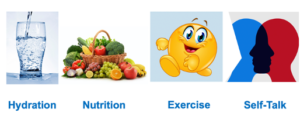
Hydration: Drink 2 litres (3.5 pints) of fresh water every day to keep yourself fully hydrated, sharp and alert.
Nutrition: Sustain a healthy balanced diet with plenty of fresh fruit and vegetables to provide your mind and body with sufficient energy.
Exercise: Regular exercise in whatever form suits your health, age and personal interests will help to maintain a healthy mind and body.
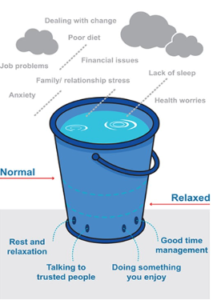
Imagine your mind as being like a bucket that fills-up with various negative stressors. Make sure you are doing activities that will put holes in your bucket to lower the stress level.
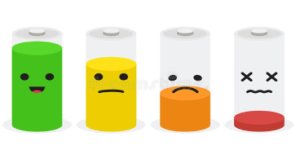
Regularly monitor your energy levels. Ask yourself, where is my personal battery level? Just as you recharge your electronic devices, you need to regularly top-up your personal battery. Know what works for you and make it part of your lifestyle. Keep yourself in the green rather than dropping into the red.
There is much more that can be done to manage stress, control anxiety and improve personal resilience, such as learning about mind management, releasing negative emotions and building your self-confidence. If you would like to learn more and discuss your personal needs, contact Brian Tregunna on 07856571163 or tregunnalifecoaching@gmail.com